
Connect with us



Mid-October typically kicks off reporting for the July through September quarter. Here is how earnings season works and how to follow infrastructure themes through it.
Company filings include cautionary language about the future and lists of risks. Here is why those sections exist and how to read them for real insight.
Margins show how much of each revenue dollar a company keeps at different stages. Here is how the three main margins work and how infrastructure costs...



Dollar-cost averaging means investing a fixed amount on a regular schedule. Here is how the approach works, what it can and cannot do, and how it...
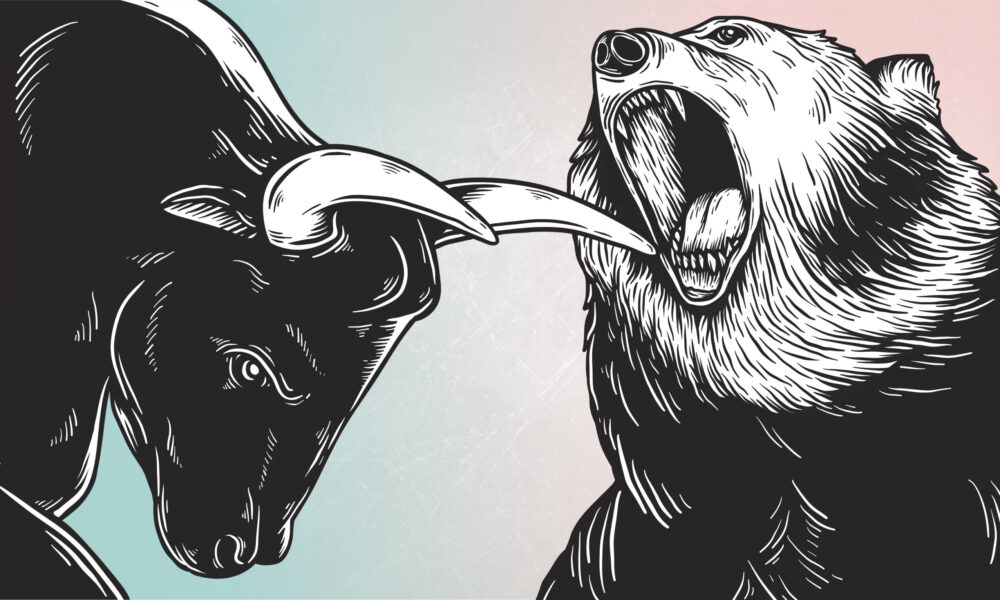

Credit ratings sort bonds by the agencies' view of default risk. Learn what investment grade and high yield mean and how ratings affect borrowing costs.
The line between investing and speculating is about method and time horizon, not the asset itself. Here is how the distinction has been described and why...


Diversification spreads exposure across different holdings so one setback has less impact. Here is the idea behind it and the limits worth knowing.



The price-to-earnings ratio is one of the most quoted valuation measures. Learn how it is calculated, the main variations and its real limitations.
Quarterly earnings reports follow a familiar structure. This guide explains the main sections and how to read them with a calm, curious eye.


Investor relations for Boston Made, Inc.: company facts, the 12 Tribes and the investor list.
Open InvestorsSix lanes that decide how fast AI gets built: power, cooling, chips, networks, sites and money.
Open ResearchResearch plans for operators, investors and suppliers. Monitor, Signal and Enterprise.
Open PlansBOSSTOX news, announcements and coverage — also on Reader with every Boston Made tribe.
Open PressThe 12 Tribes of Boston Made. One family, one membership — Boston Made+ opens all of them.
Open 12 Tribes Coming soon: trade in the BOSSTOX appMarkets and AI research on iPhone, iPad and Apple Watch, with in-app stock trading on the way. Join the waitlist →
 Coming soon: the Paxton healthcare marketplaceHealthcare insight in the Paxton app today, with a healthcare marketplace on the way. Get the app →
 Coming soon: thousands of products in the Boston Made appThe whole network in one app, with a shop of thousands of products on the way. Get the app →
 Coming soon: thousands of LAZ Parking spaces in Spot CheckSpot Check and LAZ Parking are partnering to bring thousands of bookable parking spaces into the app. Get the app →
 Coming soon: local partners in GrandStrandMyrtle Beach restaurants, venues and real-estate agents are joining the GrandStrand app to showcase the best of the coast. Get the app →
 Coming soon: the Lumo appLive gold and silver prices, plain-English guides and a modern way to buy and sell precious metals, coming to iPhone, iPad and Apple Watch. Learn more →
 Coming soon: the PUPWEAR® appCollars, QR tags, jackets and gear for your dog, inspired by Boston the GoldenDoodle, coming to iPhone, iPad and Apple Watch. Shop now →