Connect with us
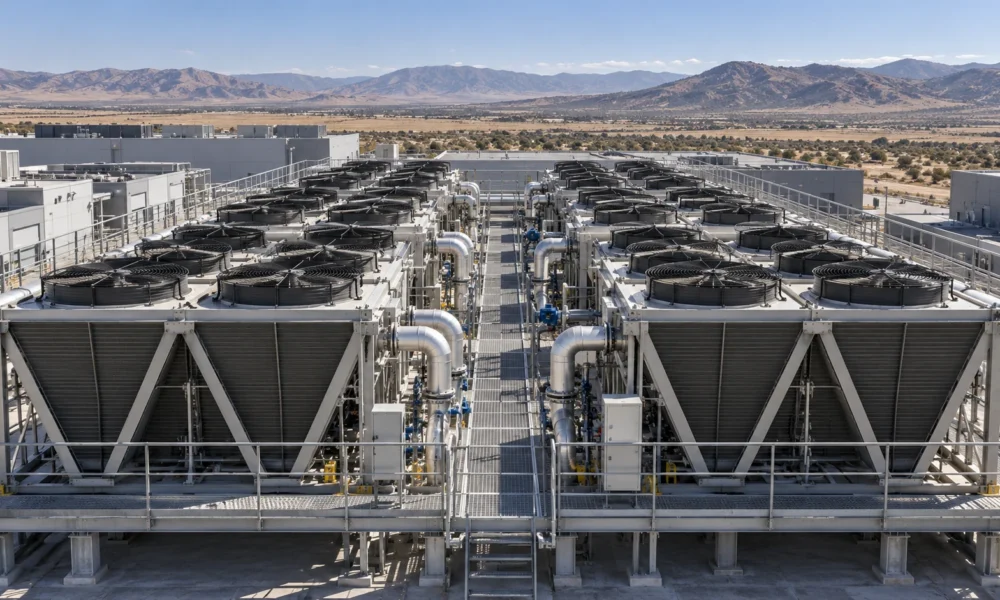

A data center can reduce on-site water use with dry cooling, but the choice usually moves the tradeoff toward electricity, equipment cost and hot-weather performance.
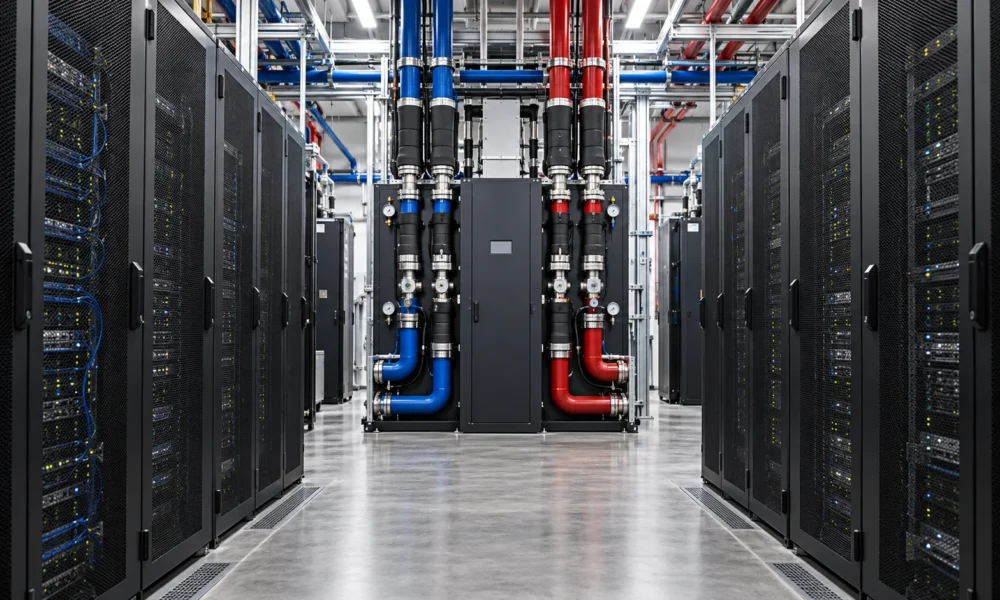

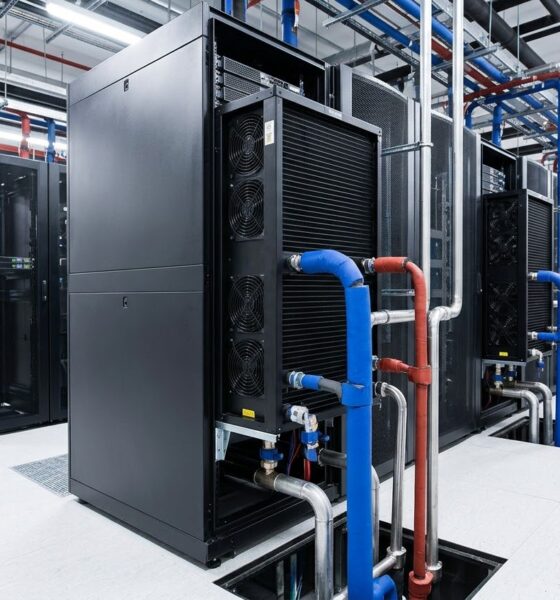
Every watt a processor uses becomes heat. As AI racks get denser, how a building removes that heat decides what it can run.
Where a data center's water comes from can matter as much as how much it uses. A look at the main source options and their tradeoffs.
Many existing data centers were built for air. Adding liquid cooling to them is possible but complicated. Here is what a retrofit involves.
Some data centers store cooling in large tanks of chilled water. Here is how thermal storage works and why operators use it.
Small gaps let hot and cold air mix and waste cooling. A practical checklist of the simple fixes that improve airflow in air-cooled halls.
Too dry and electronics risk static discharge. Too humid and condensation threatens. Here is how data centers manage moisture in the air.
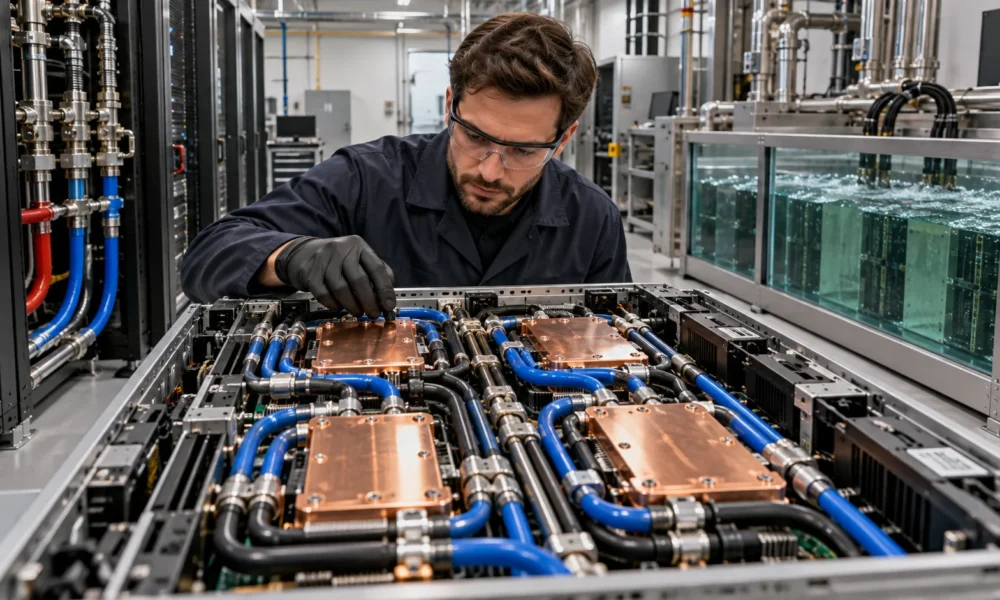

Extreme heat tests every part of a data center's cooling system. Here is how designers and operators plan for the hottest days.
Spring is when many facility teams get cooling plants ready for the hottest months. A look at the checks, cleaning and testing involved.


Investor relations for Boston Made, Inc.: company facts, the 12 Tribes and the investor list.
Open InvestorsSix lanes that decide how fast AI gets built: power, cooling, chips, networks, sites and money.
Open ResearchResearch plans for operators, investors and suppliers. Monitor, Signal and Enterprise.
Open PlansBOSSTOX news, announcements and coverage — also on Reader with every Boston Made tribe.
Open PressThe 12 Tribes of Boston Made. One family, one membership — Boston Made+ opens all of them.
Open 12 Tribes