
Connect with us
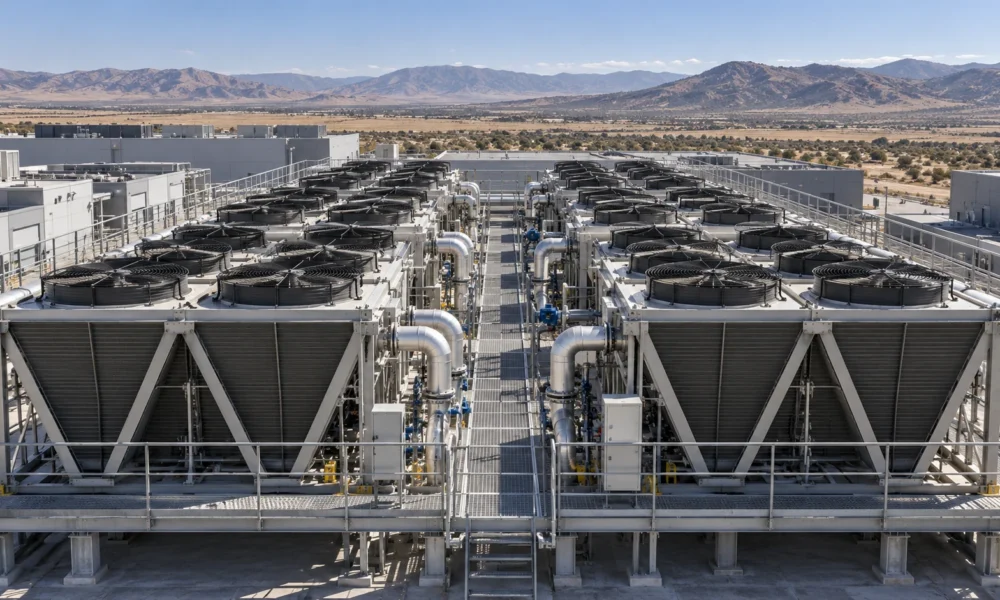

Containment keeps hot exhaust and cool supply air from mixing. Here is how hot aisle and cold aisle approaches differ and what each asks of a...
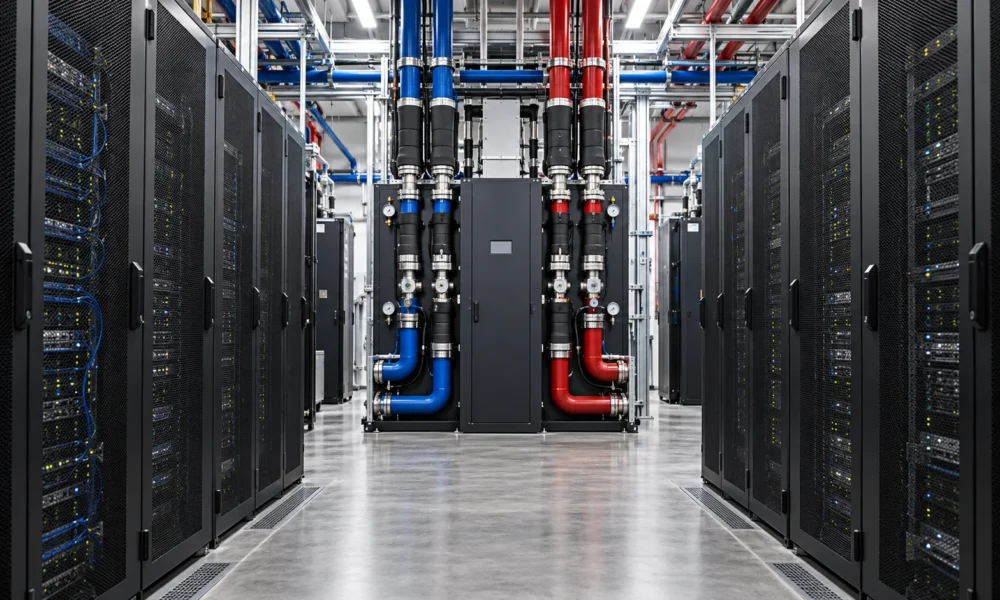

WUE compares a data center's water use with the energy used by its IT equipment. Here is how it is calculated and why context matters when...
Cooling towers reject heat by evaporating water. Here is the simple physics behind them, the equipment involved and the tradeoffs operators weigh.
Chillers produce the cold water many data centers rely on. A plain-English look at how they work, the main types and why operators try to run...
A rear-door heat exchanger replaces the back door of a rack with a liquid-cooled coil. It is one of the simplest ways to bring liquid cooling...
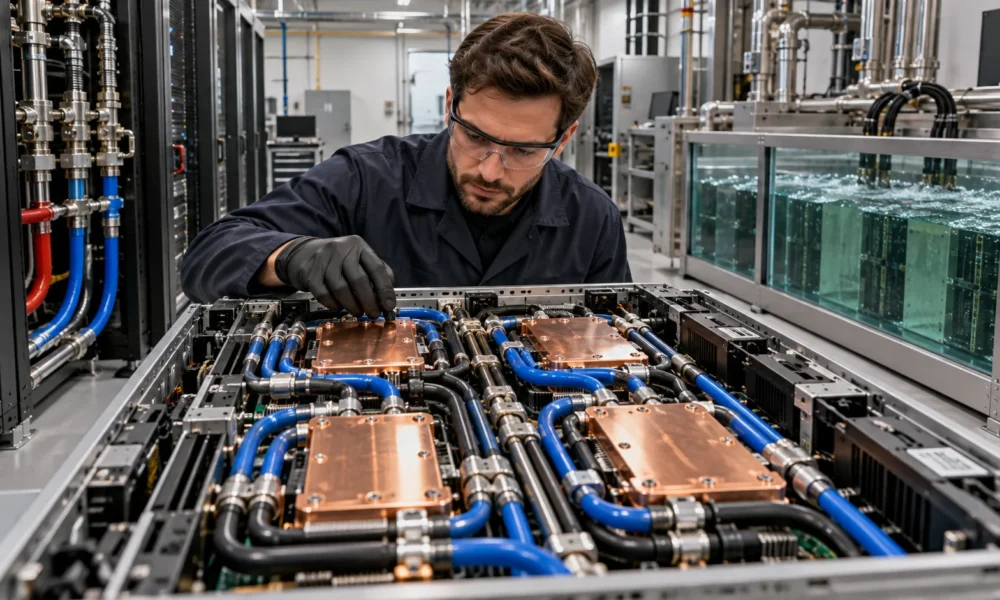

Two-phase immersion uses fluids that boil at low temperatures right on the surface of hot chips. A look at the physics, the appeal and the open...
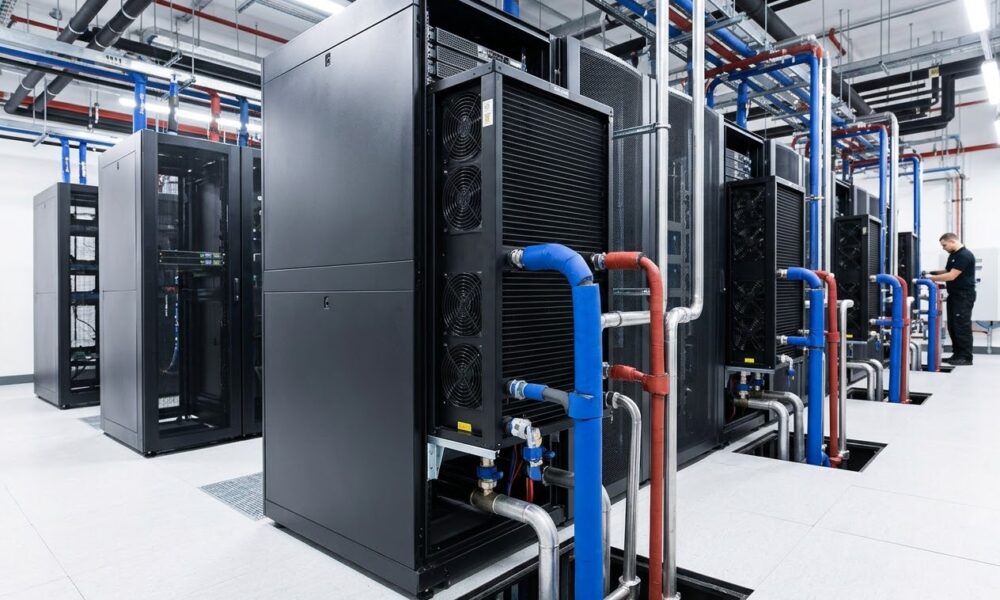

In single-phase immersion cooling, servers sit in tanks of non-conductive liquid that never boils. Here is how it works and where it fits.
Cold plates are the most common form of liquid cooling for AI servers. Here is how they work, from the metal block on the chip to...



Every watt a server uses becomes heat. Here is how air and liquid cooling each carry that heat away, and why AI hardware is pushing the...


Investor relations for Boston Made, Inc.: company facts, the 12 Tribes and the investor list.
Open InvestorsSix lanes that decide how fast AI gets built: power, cooling, chips, networks, sites and money.
Open ResearchResearch plans for operators, investors and suppliers. Monitor, Signal and Enterprise.
Open PlansBOSSTOX news, announcements and coverage — also on Reader with every Boston Made tribe.
Open PressThe 12 Tribes of Boston Made. One family, one membership — Boston Made+ opens all of them.
Open 12 Tribes