
Capacity & Sites
Weather Delay and Equipment Delay Do Not Mean the Same Thing
A project’s delivery date can move for several reasons, and the response depends on the cause. Outdoor work interrupted by weather is different from an unavailable electrical component or an unresolved design decision. Combining them into one delay label hides the next action.

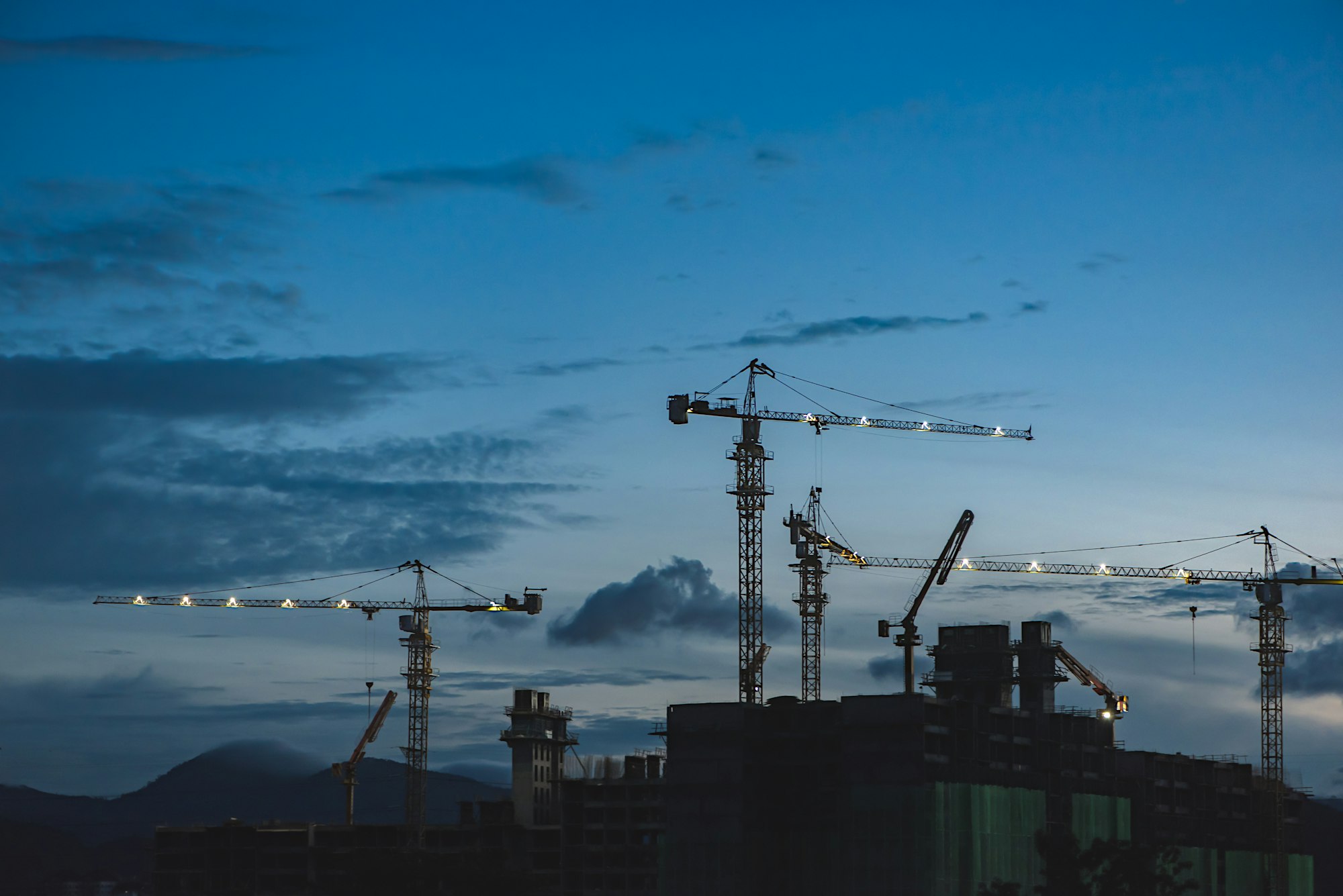
A project's delivery date can move for several reasons, and the response depends on the cause. Outdoor work interrupted by weather is different from an unavailable electrical component or an unresolved design decision. Combining them into one delay label hides the next action.
The operating distinction
A construction schedule links tasks through prerequisites. Some work can proceed while another activity waits; some sits directly on the path to handover. The useful schedule discussion identifies the dependency, the available alternatives and what evidence would justify a revised completion date.
The delay discussion should also separate a forecast from an accepted commitment. A contractor's planning date, a supplier's shipment estimate and an operational handover date may refer to different events. Treating them as one deadline creates avoidable confusion when one changes.
A practical example
Consider a hypothetical hall waiting for a particular electrical assembly. Finishing unrelated interior work may improve overall progress without moving the earliest possible energization date. By contrast, restoring access after a weather interruption may immediately release several dependent tasks.
Questions worth asking
A delay explanation becomes useful when it identifies the next blocked outcome. Separating causes and dependencies lets readers understand why work can continue in some areas without bringing the operational handover any closer in others.
- Which task currently controls the next operational handover milestone?
- What work can continue without creating rework or unsafe sequencing?
- What new evidence supports the revised date for the blocked dependency?
What the evidence supports
A revised forecast is not automatically unreliable, but it should explain what changed. Readers should distinguish a measured update from an optimistic restatement. Progress descriptions are stronger when they name the blocked milestone and its conditions instead of relying on a broad percentage of construction completed.
A clear update can describe the current limiting condition in ordinary language and identify the next piece of evidence expected. That might be confirmation of equipment availability or completion of an inspection, rather than another broad progress estimate. Readers can then understand what would support a changed outlook. The account remains useful even when the final completion date is still uncertain, because the source of that uncertainty is visible.
Identify the reason for the delay and the milestone it controls before judging the overall project account.
Quick check
How much did you catch? Tap a question to see the answer.
1. What should a useful delay discussion identify in the construction schedule?
Answer: A construction schedule links tasks through prerequisites. Some work can proceed while another activity waits; some sits directly on the path to handover. The useful schedule discussion identifies the dependency, the available alternatives and what evidence would justify a revised completion date.
2. Why should planning, shipment and operational handover dates remain distinct?
Answer: The delay discussion should also separate a forecast from an accepted commitment. A contractor's planning date, a supplier's shipment estimate and an operational handover date may refer to different events. Treating them as one deadline creates avoidable confusion when one changes.
3. Why might finishing unrelated interior work not advance energization?
Answer: Consider a hypothetical hall waiting for a particular electrical assembly. Finishing unrelated interior work may improve overall progress without moving the earliest possible energization date. By contrast, restoring access after a weather interruption may immediately release several dependent tasks.
Types of Delay and What Each Usually Calls For
Construction delays can be grouped by cause, and each group tends to suggest a different kind of response. The categories below are general.
- Weather. Rain, wind, heat or cold can stop outdoor work or make it unsafe. Once conditions improve, work can often resume, though ground conditions may need time to recover.
- Equipment and materials. A late transformer, switchgear assembly or cooling unit can hold up energization or testing. The response focuses on supplier confirmation, alternatives and resequencing.
- Design and decisions. An unresolved design question or change request can pause related work until a decision is made.
- Permits and inspections. Required approvals or inspections may control when work can proceed or when a system can be energized.
- Labor and access. Availability of specialized trades or site access can affect particular tasks.
- Off-site infrastructure. Utility connections or road works outside the project’s control may set the pace for later stages.
Reading a Schedule Update Step by Step
- Find the controlling task. Identify which activity currently sits on the path to the next handover.
- Find the cause. Determine which category of delay applies to that task.
- Find the evidence. Look for a confirmed delivery date, completed inspection or other evidence that supports the revised forecast.
- Find what continues. Note which work proceeds in parallel and whether it affects the controlling milestone.
- Find the type of date. Distinguish a forecast from a contractual commitment or an operational handover.
Common mistakes
A frequent mistake is reading a high percentage-complete figure as a sign that handover is imminent, when the remaining work may include the hardest dependencies. Another is assuming weather delay and equipment delay can be recovered in the same way. A third is accepting a revised date without asking what new information supports it.
What This Means for Readers Following Projects
For readers tracking data center construction, the cause of a delay often matters more than its length. A short weather delay may have little lasting effect, while a delay in a critical electrical component may move several later milestones. Updates that name the controlling dependency are generally more informative than broad progress estimates.
A delay is easier to understand once you know which milestone it is holding up.
This is general education about construction schedules, not an assessment of any project or company, and readers making financial decisions should consult a qualified financial professional.
Questions Readers Ask
Can other work make up for an equipment delay?
Parallel work can improve readiness elsewhere, but it usually cannot replace a missing component on the critical path.
Why are revised dates sometimes revised again?
Forecasts depend on information that can change, such as supplier confirmations and inspection timing.
What is the critical path?
It is the chain of dependent tasks that sets the earliest possible completion date. A delay on that chain moves the finish date unless the work can be resequenced, while a delay elsewhere may not.
AI infrastructure explainers and news on iPhone, iPad and Apple Watch.
Latest stories
View all


Capacity & Sites
Stormwater Planning Starts Before the Data Hall Opens
Water on a developing site does not wait for servers to arrive. Grading, temporary roads and unfinished drainage can change how rainfall moves during construction. Operational flood planning and construction-stage stormwater planning are related but different tasks.
Water on a developing site does not wait for servers to arrive. Grading, temporary roads and unfinished drainage can change how rainfall moves during construction. Operational flood planning and construction-stage stormwater planning are related but different tasks.
The operating distinction
A finished campus may include a designed drainage arrangement that does not yet exist during early work. Soil disturbance and stored materials can also affect flow. The site team needs controls appropriate to the current construction stage, with responsibility that remains clear as contractors and work areas change.
Construction and operating teams should share changes that affect common access or drainage. A temporary barrier installed for one work package can alter how another team reaches essential equipment. The effects deserve coordination even when the work takes place outside the active hall.
A practical example
Consider a hypothetical campus where one hall operates while another is being built. Temporary work near an established route could affect access or drainage serving the live facility. The boundary between construction and operations deserves attention before a storm exposes a conflict.
Questions worth asking
A developing campus changes shape as work proceeds. Reading stormwater readiness against the current construction stage helps keep temporary access, drainage and contractor responsibilities connected to the protection of any area already in operation.
- Does the drainage plan match the current stage of construction?
- Could temporary work affect an operating hall or emergency access route?
- Who checks controls after changes to grading, storage or site traffic?
What the evidence supports
A parcel's general description cannot establish its flood risk or compliance requirements. Those depend on local conditions and professional assessments. For a reader evaluating project readiness, the useful evidence is the stage-specific plan, inspection process and coordination with the operating portion of the site.
A readiness discussion can compare the current site arrangement with the next stage of planned work. It should identify who inspects temporary controls after that transition and who receives the result. This keeps responsibility from becoming lost between contractors. It also gives readers a better basis for understanding the difference between a completed permanent design and the temporary arrangements needed to protect a site while it is changing.
Ask how water moves across the site today, rather than assuming the final plan already protects every stage.
Quick check
How much did you catch? Tap a question to see the answer.
1. Why might a finished-campus drainage plan be inadequate during construction?
Answer: A finished campus may include a designed drainage arrangement that does not yet exist during early work. Soil disturbance and stored materials can also affect flow. The site team needs controls appropriate to the current construction stage, with responsibility that remains clear as contractors and work areas change.
2. Why should construction and operating teams coordinate temporary barriers?
Answer: Construction and operating teams should share changes that affect common access or drainage. A temporary barrier installed for one work package can alter how another team reaches essential equipment. The effects deserve coordination even when the work takes place outside the active hall.
3. What can new construction affect at the already operating hall in the example?
Answer: Consider a hypothetical campus where one hall operates while another is being built. Temporary work near an established route could affect access or drainage serving the live facility. The boundary between construction and operations deserves attention before a storm exposes a conflict.
How Construction Changes the Way Water Moves
A finished site is graded and drained according to a permanent design. During construction, that design may be only partly in place, and the ground itself keeps changing. In general terms, several conditions can alter how rainfall behaves on a developing campus:
- Exposed soil. Cleared ground can produce more runoff and sediment than vegetated or paved surfaces.
- Temporary grading. Stockpiles, excavations and temporary slopes redirect water in ways the permanent plan does not anticipate.
- Haul roads and laydown areas. Compacted temporary surfaces can concentrate flow toward new low points.
- Unfinished drainage. Inlets, pipes and basins may not yet be connected or may be protected from sediment in ways that change their capacity.
- Stored materials. Equipment and materials placed on the ground can block or divert flow.
Coordinating Construction and Operations
- Share the current site arrangement. Keep an up-to-date view of temporary grading, controls and work areas available to both construction and operations teams.
- Review changes before they happen. When a new work package will alter grading or access, consider its effect on the operating hall first.
- Inspect after storms and transitions. Check temporary controls after significant rain and whenever site conditions change.
- Protect critical access. Confirm that emergency and maintenance routes to the operating facility remain usable.
- Record responsibility. Name who owns each control, and update that record as contractors arrive and leave.
Common mistakes
One mistake is relying on the final drainage design to describe current protection. Another is losing track of who maintains temporary controls when one contractor hands an area to the next. A third is treating stormwater only as an environmental compliance matter, without also considering its effect on access and operations in a live portion of the site.
What This Means for Readers Evaluating Projects
For anyone following data center development, construction-stage site management is part of what determines whether a project proceeds smoothly. Weather-related disruption can affect schedules and, on campuses with live halls, operations as well. A project team that can explain how its temporary arrangements change with each stage is showing that responsibility is organized. Specific flood risk and compliance questions belong to qualified engineers and local authorities.
The permanent design describes the destination. The site still has to be protected on the way there.
Questions Readers Ask
Why does construction increase runoff?
Removing vegetation and compacting soil generally reduces how much water the ground absorbs, so more of it flows across the surface.
Who usually inspects temporary controls?
Responsibility is typically assigned through the project’s permits and contracts. The key is making sure it remains clear as work changes.
Can construction affect an operating hall nearby?
Yes, if temporary work alters drainage or access routes that the operating facility relies on. That is why changes near a live hall are best reviewed jointly by both teams before work starts.
AI infrastructure explainers and news on iPhone, iPad and Apple Watch.
Capacity & Sites
Four Different Capacity Numbers Can Describe the Same Hall
A hall can have a design allowance, installed equipment, contracted commitments and measured load. Those are related numbers, but they do not describe the same thing. A clear capacity statement identifies which one is being discussed.
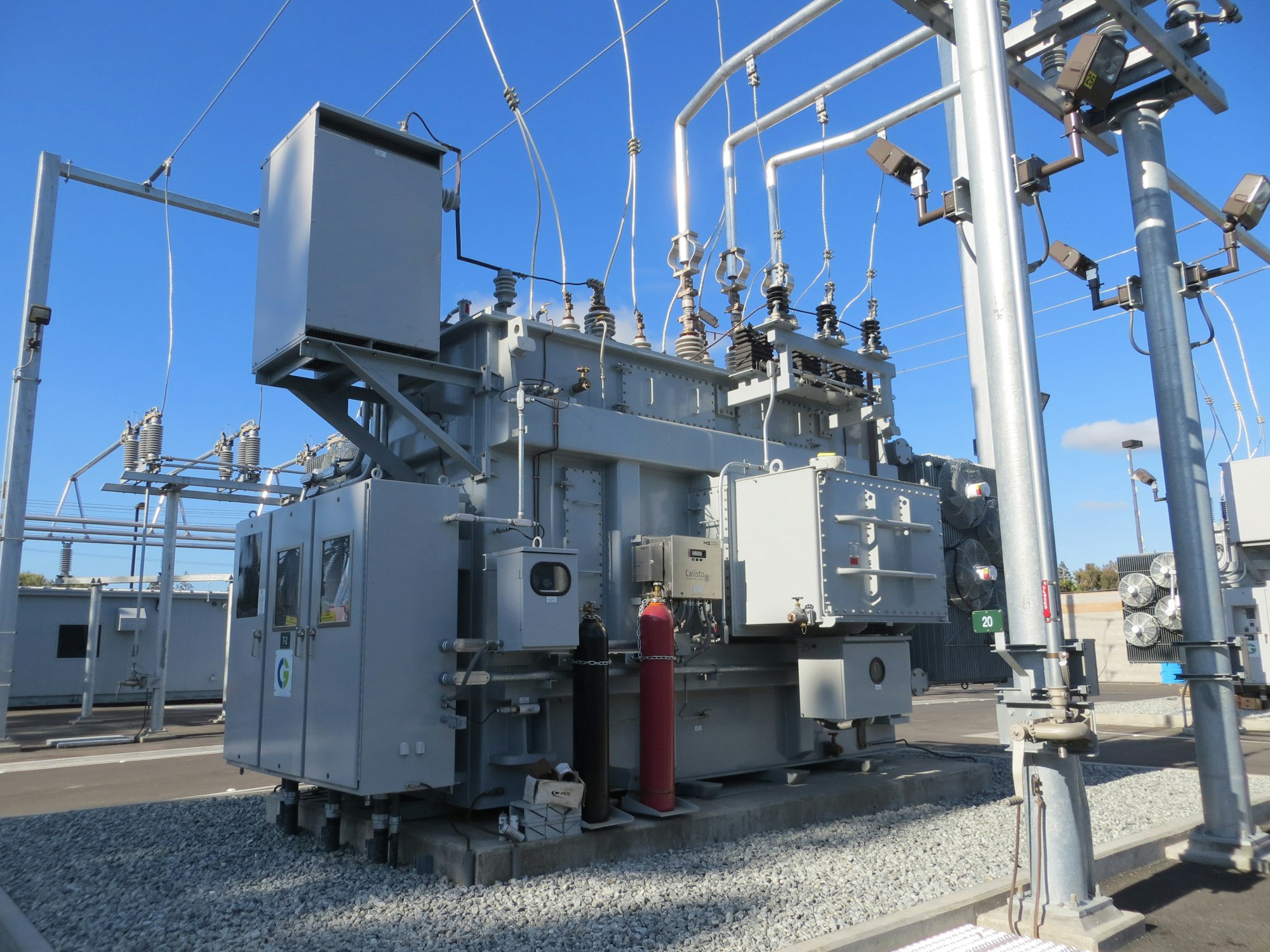
A hall can have a design allowance, installed equipment, contracted commitments and measured load. Those are related numbers, but they do not describe the same thing. A clear capacity statement identifies which one is being discussed.
The operating distinction
Design capacity describes an intended arrangement. Installed capacity depends on what equipment has actually been delivered and put into service. Contracted capacity belongs to commercial commitments, while measured load records operation during a particular interval. Each can change on a different schedule and for a different reason.
The time dimension belongs in the table as well. A contracted amount may be intended for a later handover, while a load reading may represent only a particular operating period. Without dates, the comparison can mix a future commitment with a present observation.
A practical example
Imagine a hypothetical hall designed for later expansion. Its available electrical equipment initially supports only the first portion, and the customer's equipment draws less than that. Calling the largest design figure the current operating load would erase several important distinctions.
Questions worth asking
A capacity figure can be accurate and still answer the wrong question. Naming its stage, boundary and date allows readers to understand the figure without confusing an intention, a commitment or an observed load.
- Does the figure describe design, installed, contracted or measured capacity?
- Is power measured at the building input or the equipment boundary?
- What date and operating condition apply to the stated amount?
What the evidence supports
Comparisons become especially confusing when one report uses facility input and another uses power delivered to information technology equipment. Cooling and other support loads sit between those boundaries. Before discussing growth or utilization, establish the measurement point and the condition being measured.
A useful report can show each definition with its evidence source and any important exclusions. It need not force every figure into one headline. Readers then have a clear starting point for asking whether growth means more installed equipment, additional customer commitments or greater use of capacity already present. Those are all legitimate developments, but they have different practical consequences and should remain distinguishable.
Put the definition next to the number so that different stages of capacity are not mistaken for one another.
Quick check
How much did you catch? Tap a question to see the answer.
1. What four capacity numbers can describe one hall?
Answer: Design capacity, installed capacity, contracted capacity and measured load.
2. Why do dates belong in a capacity table?
Answer: Without them you can mix a future commitment with a present observation.
3. What’s wrong with calling the design figure the operating load?
Answer: It erases the differences between what was planned, installed, contracted and measured.
The Four Numbers Side by Side
Keeping the four figures in separate rows makes their relationships easier to read. The descriptions below are general and do not reflect any particular facility.
- Design capacity. What the hall is intended to support when fully built out. It reflects plans for electrical, cooling and space arrangements and may assume equipment that has not yet been purchased.
- Installed capacity. What the equipment actually in service can support today. It is limited by the least capable link among power, cooling and distribution.
- Contracted capacity. What has been committed to customers, which may include amounts scheduled for future delivery.
- Measured load. What the equipment actually draws during a stated interval. It can vary through the day and across seasons.
In a typical progression, design capacity is largest, installed capacity follows as equipment is added, contracted capacity tracks commercial activity and measured load tends to rise as customers deploy equipment. None of these relationships is guaranteed, which is exactly why each number needs its own label.
Reading a Capacity Statement Step by Step
- Identify the type. Determine whether the number is design, installed, contracted or measured.
- Identify the boundary. Ask whether it refers to total facility power at the utility connection or power available to computing equipment.
- Identify the date. Note when the figure applied and whether it describes a present state or a future commitment.
- Identify the condition. For measured load, ask whether it was a peak, an average or a single reading.
- Compare like with like. Only compare figures from different sources after confirming they share type, boundary and timing.
Common mistakes
A frequent error is treating contracted capacity as if it were already installed and running. Another is comparing one operator’s facility-level figure with another’s equipment-level figure, which can make two similar halls look very different. A third is reading a low measured load as weak demand when customers may still be ramping into contracted space. A fourth is treating a design figure as fixed, when later phases may be revised as plans change.
What This Means for Readers Following the Industry
Capacity figures are central to how data center growth is discussed. A reader who keeps the four numbers distinct can interpret updates more precisely. Growth in contracted capacity suggests commercial commitments. Growth in installed capacity suggests construction and equipment delivery. Growth in measured load suggests customers are actually using what has been delivered. Each says something different about how the business is developing.
The same hall can honestly be described by four numbers. The honest part is saying which one.
This is general education about interpreting infrastructure figures. It is not investment advice, and readers making financial decisions should consult a qualified financial professional.
Questions Readers Ask
Why is installed capacity sometimes lower than design capacity for years?
Operators often build in stages, adding equipment as demand and supply allow, so the hall grows toward its design over time.
Can measured load exceed contracted capacity?
Agreements usually set limits on customer draw, but the exact terms vary. A figure that seems to exceed a commitment usually calls for checking definitions first.
Which number best reflects current use?
Measured load, provided its interval and boundary are stated.
Why do the four numbers move on different schedules?
Design figures change when plans are revised, installed figures change when equipment is delivered and accepted, contracted figures change when agreements are signed or amended, and measured load changes as customers deploy and run equipment. Each responds to a different set of decisions, so an update to one does not imply an update to the others.
AI infrastructure explainers and news on iPhone, iPad and Apple Watch.
Capacity & Sites
Remote Support Depends on More Than a Telephone Number
A support contact can be reachable while the organization still lacks a workable repair path. The useful question is whether the right person can understand the fault, gain approved access and obtain the needed equipment when the primary team is absent.

A support contact can be reachable while the organization still lacks a workable repair path. The useful question is whether the right person can understand the fault, gain approved access and obtain the needed equipment when the primary team is absent.
The operating distinction
Maintenance support crosses several boundaries: the operator, equipment supplier, security process and local service personnel. Each boundary can introduce a delay. A complete arrangement identifies the information to collect, the permissions needed and the point at which remote diagnosis becomes a site visit.
The same support chain should explain how a repair is handed back to operations. A supplier may report that its component is healthy while the broader service still needs checking. Closing the supplier ticket and accepting the restored service are related but separate decisions.
A practical example
Consider a hypothetical fault during a holiday weekend. A vendor answers promptly but needs logs that the available staff cannot access. The response time looks good on paper, yet the repair remains stalled. Preparing access and evidence collection can matter as much as naming an escalation contact.
Questions worth asking
Support should be assessed as a sequence of authorized actions, not one response-time promise. A reachable specialist cannot complete a repair if the required evidence, permissions or physical access remain unavailable to the team.
- Can the available shift collect the information the supplier needs?
- Who approves and supervises any remote connection to the site?
- What triggers a physical visit when remote support cannot resolve the fault?
What the evidence supports
Remote access also creates security responsibilities. Faster access is not a reason to remove approvals or share credentials informally. The aim is an authorized process that works under pressure, with the minimum appropriate permissions and a record of what changed.
A useful preparation exercise follows one plausible fault from the first alert through the evidence request, approval and final service check. It can expose a missing permission or an unclear ownership boundary without causing an actual interruption. The result should be a short set of corrected responsibilities and contacts, rather than another general promise that support will be available when somebody needs it.
Support readiness means a usable chain from first contact to diagnosis and authorized action.
Quick check
How much did you catch? Tap a question to see the answer.
1. Is a reachable support number enough?
Answer: No. The right person also needs approved access, the needed equipment and enough fault information.
2. What can stall a repair even when the vendor answers fast?
Answer: Staff who can’t access the logs the vendor needs.
3. Is closing the supplier ticket the same as accepting the service?
Answer: No. They’re related but separate decisions.
Preparing the Support Chain Before It Is Needed
Most of the work that makes remote support effective happens well before a fault. The preparation can be organized around the questions a supplier will ask in the first minutes of a call.
- Identify the equipment precisely. Keep model information, serial references and configuration details where the on-shift team can find them without the primary engineer.
- Agree on the evidence package. Ask each key supplier which logs, readings and screenshots they usually request, and confirm that the available shift can collect them.
- Pre-approve the access process. Define how a remote session is requested, approved, supervised and closed, including who can authorize it outside normal hours.
- Plan the physical route. Confirm how a field technician is admitted to the site, escorted and given access to the equipment area.
- Locate parts and tools. Know which spares are held on site, which are held by the supplier and how quickly each can arrive.
- Define the return to service. Agree on the checks the operator will perform before accepting a repair as complete.
A support readiness checklist
- Current supplier contacts and escalation levels, confirmed recently
- Contract coverage hours and what they include
- Named roles that can approve remote and physical access after hours
- A documented method for collecting and transferring logs securely
- Site access instructions for visiting technicians
- A post-repair verification list for the affected service
Common Gaps That Stall a Repair
Support arrangements tend to fail at the boundaries between organizations rather than inside them. A supplier may be responsive while the site cannot grant access quickly. A security team may be available while nobody on shift knows which logs to collect. A field technician may arrive while the spare part is held at a distant depot. Each organization performs its part, and the repair still waits.
Another frequent gap is the difference between coverage on paper and coverage in practice. A contract may promise around-the-clock response, but the response may consist of an initial callback rather than an engineer able to diagnose the specific equipment. Clarifying what the first response actually provides helps set realistic expectations for an evening or holiday incident.
Common mistakes
Sharing credentials informally to speed up a session can leave a lasting security exposure. Closing an incident when the supplier ticket closes can leave the wider service untested. Relying on one engineer who knows every supplier relationship creates a single point of failure in the support chain itself.
What This Means for Organizations Buying Services
Businesses that rely on a facility or a managed service can ask how support works outside normal hours, not just whether a support line exists. Questions about access approvals, spare parts and verification after repair reveal more about real readiness than a stated response time. For readers following infrastructure companies, the quality of these arrangements sits behind reliability claims even though it rarely appears in announcements.
A response time measures how quickly someone answers. Restoration depends on everything that has to happen next.
Questions Readers Ask
Is remote support less secure than an on-site visit?
Not inherently. Both carry security responsibilities. A well-governed remote session with approval, supervision and logging can be appropriate.
How often should supplier contacts be verified?
Regularly, and after any change in contracts, staff or supplier organization.
Who decides when a site visit is needed?
Usually a combination of the supplier’s diagnosis and the operator’s judgment, guided by criteria agreed in advance.
What is the most overlooked part of support readiness?
Often the evidence collection step, because it depends on staff who may not usually handle that equipment.
AI infrastructure explainers and news on iPhone, iPad and Apple Watch.

Weather Delay and Equipment Delay Do Not Mean the Same Thing

A Backup Exists; a Restore Still Needs to Be Demonstrated

Coolant Compatibility Belongs in the Spare-Parts Conversation

Transformer Loading Is More Than a Nameplate Comparison

Transformer Lead Times Are Becoming a Data-Center Schedule Risk

Gas Turbines on Data-Center Campuses

FERC’s Large-Load Orders: The November 16 Grid Deadline Behind the AI Build-Out

GPU Supply Chains: How AI Hardware Gets Made, Moved, and Bottlenecked
Weather Delay and Equipment Delay Do Not Mean the Same Thing
A Backup Exists; a Restore Still Needs to Be Demonstrated
Coolant Compatibility Belongs in the Spare-Parts Conversation
Transformer Loading Is More Than a Nameplate Comparison
-
 Power & Grid2 months ago
Transformer Lead Times Are Becoming a Data-Center Schedule Risk
-
 Power & Grid1 month ago
Gas Turbines on Data-Center Campuses
-
 Power & Grid1 month ago
FERC’s Large-Load Orders: The November 16 Grid Deadline Behind the AI Build-Out
-
 Compute & Silicon2 months ago
GPU Supply Chains: How AI Hardware Gets Made, Moved, and Bottlenecked
-

 Cooling2 months ago
Water Use and Dry Coolers: The Tradeoff AI Sites Cannot Avoid
-

 Capital & Backlog1 month ago
AI Infrastructure’s Rough Week: Chips Fall 6.7% as Meta Lifts Capex Floor
-

 Cooling1 month ago
Liquid-Cooling Leak Detection and Reliability
-

 Power & Grid1 month ago
Battery Storage at AI Sites